
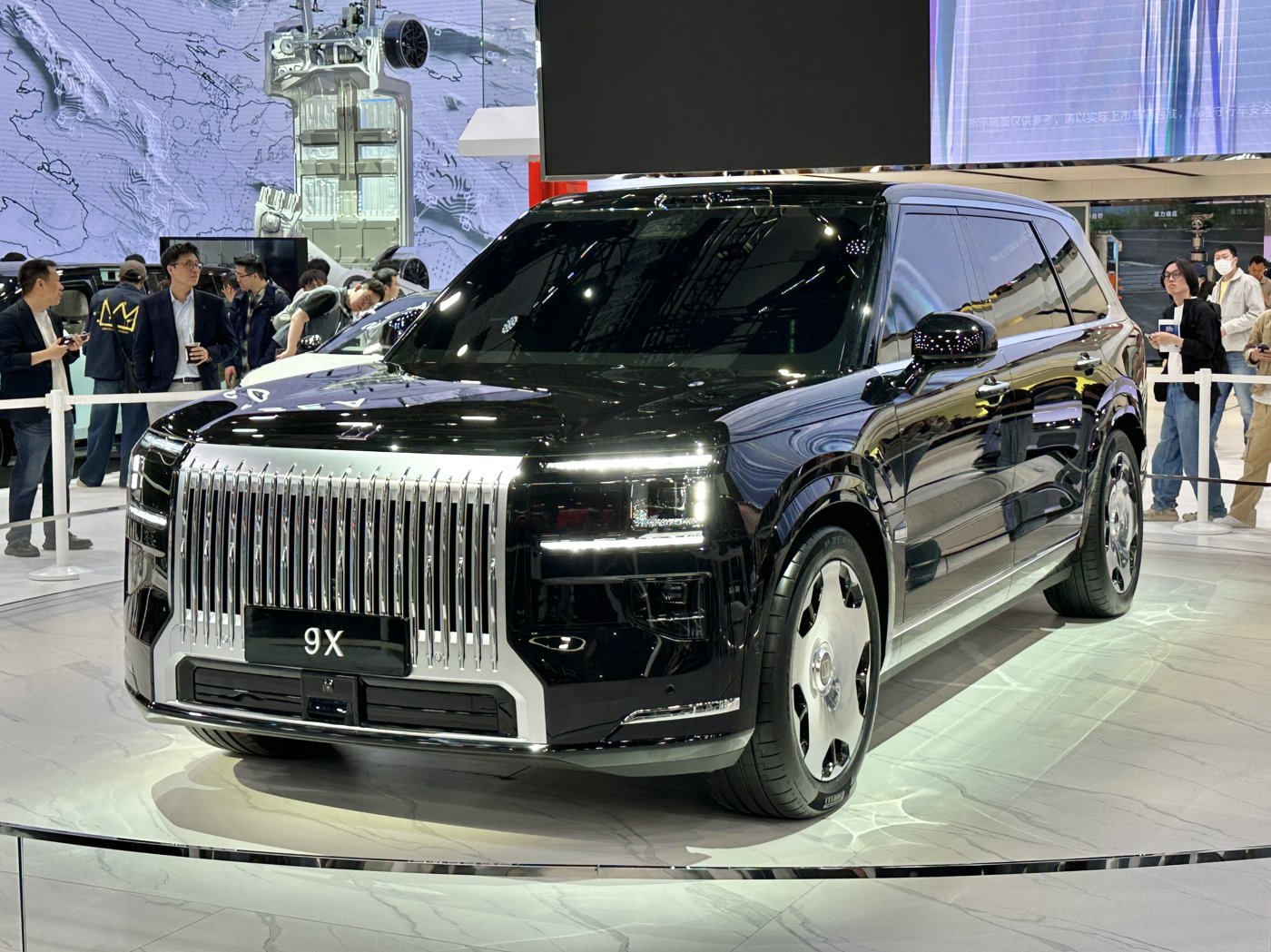
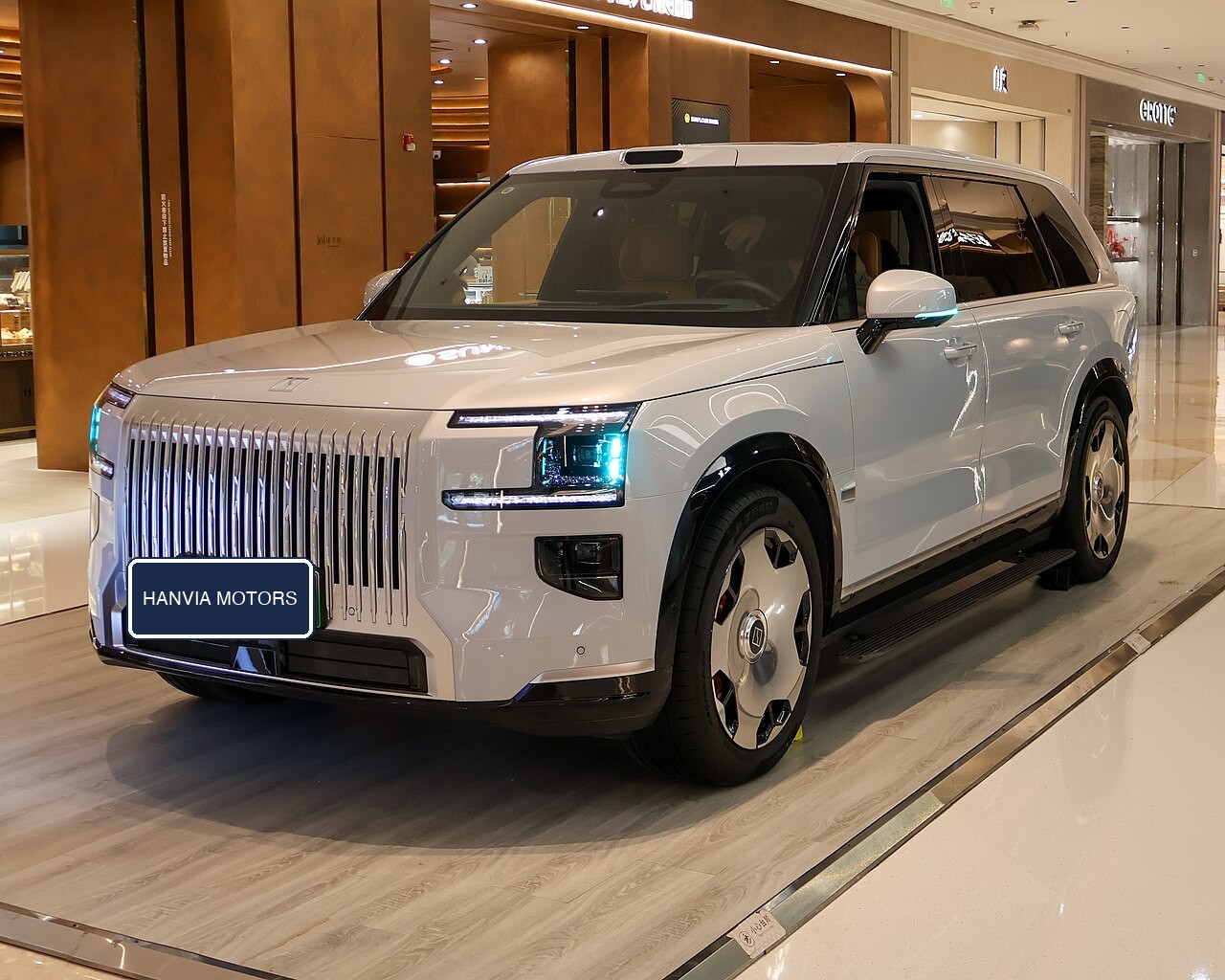
Since 29 January 2024, Ethiopia has banned the import of new petrol and diesel private vehicles outright — the first country in the world to do so. Electric and hybrid vehicles are exempt from the ban and carry a 15% customs duty with VAT, excise tax and surtax all waived, which is why EV and hybrid stock is the only realistic way to supply this market now. We currently hold 26 electric or hybrid vehicles across our 78-unit stock — 13 fully electric, 13 hybrid.
👉 Tell us the body style and budget — we’ll send our current EV and hybrid units in stock for Ethiopia. Ask us on WhatsApp · Browse current stock →
What the ban actually covers
| Rule | Detail |
|---|---|
| Banned | New petrol and diesel private vehicles (effective 29 Jan 2024) |
| Exempt from ban | Electric vehicles, and hybrid vehicles — both explicitly permitted |
| Import duty (fully assembled EV/hybrid) | 15% customs duty |
| VAT / excise / surtax | Waived for electric and hybrid vehicles |
| Used-vehicle age limit | None currently reported — used imports are not restricted by age, unlike Peru or Bolivia |
| Steering | Left-hand drive only |
| Coverage | Vehicles seating fewer than 10 passengers |
Hybrids matter here as much as full EVs. The ban targets combustion-only vehicles, not the hybrid category, so a plug-in or standard hybrid clears the same door as a battery-electric car — this is a meaningfully wider stock pool than “EV-only” framing suggests, and it’s why we’re listing hybrid units on this page alongside pure EVs.
⚠️ One part of the policy is still in flux and we are not printing it as settled. Duty on knocked-down kits (SKD/CKD, used for local assembly rather than complete-vehicle import) has been reported two different ways across 2025 sources — some describing CKD as duty-free, others describing a mid-2025 increase to 25% (CKD) and 35% (SKD) plus a new 10% surtax on those specific operations. This page covers complete, fully-assembled vehicle import, where the 15%-duty/tax-waived structure is consistently reported. If a buyer is asking about a knock-down/local-assembly deal specifically, confirm current rates with a licensed clearing agent before quoting — do not assume either figure.
Why the policy exists
The ban is a fiscal decision as much as an environmental one. Ethiopia had been carrying large fuel-subsidy costs and defaulted on its sovereign bonds in 2023, then took a $3.4 billion IMF support package in 2024 — cutting imported-fuel demand directly reduces that pressure. Since the ban, EV share of new and used vehicle entries has reportedly grown from under 1% to roughly 6%.
The practical gap to know about: charging infrastructure is still thin — roughly 100 stations in Addis Ababa against an estimated 2,300+ needed nationwide. That matters more for a buyer planning long-distance or rural use than for in-city Addis Ababa use, and it’s a fair question to raise with a customer rather than assume away.
What we currently have in stock
We hold 13 fully electric and 13 hybrid vehicles across our 78-unit stock (as of this page’s publication) — all left-hand drive, matching Ethiopia’s requirement. Stock turns over regularly, so we don’t publish a fixed list here; check current availability or ask us directly on WhatsApp for the current EV/hybrid list filtered to what’s ready to ship now.
Shipping route: everything moves through Djibouti
Ethiopia is landlocked, and over 90% of its international trade — imports and exports combined — moves through the Port of Djibouti via the Addis Ababa–Djibouti corridor. That corridor now runs on two legs: the Addis Ababa–Djibouti Railway (a 753 km electrified line that has grown from carrying roughly 9% of Ethiopia’s exports two years ago to about 50% today) and road haulage, which still carries the majority of import cargo. In practice this means a single, well-understood corridor rather than a choice between multiple ports — the planning question is which leg (rail or road) your shipment takes and what that means for transit time, not which port to route through.
Buying from a China-based exporter: what to check
- Confirm powertrain, not just the badge. “Hybrid” covers a wide range of systems (mild hybrid, plug-in hybrid, range-extender); confirm which one you’re being offered, since it can affect how a given rule or duty rate applies.
- VIN and documentation before payment, not a verbal description.
- Condition disclosure up front for any used unit — see our checklist of common traps in used-car import from China.
- Supplier verification before wiring funds — ask for their yard address, VIN-level stock list and a live video walkaround.
- Inspection report before shipping — what it should cover.
FAQ
Can I still import a petrol or diesel car into Ethiopia?
No. New petrol and diesel private vehicles have been banned since 29 January 2024. Electric and hybrid vehicles are exempt and are the only realistic import path now.
Are hybrid vehicles allowed, or only full EVs?
Both. The ban targets combustion-only vehicles; hybrids are explicitly exempt and receive the same favorable duty and tax treatment as electric vehicles.
What duty applies to an imported EV or hybrid?
15% customs duty on a fully-assembled vehicle, with VAT, excise tax and surtax all waived. Rates on knocked-down (SKD/CKD) kits for local assembly have been reported inconsistently across 2025 sources — confirm separately if that’s the deal type you need.
Is there an age limit on used EVs or hybrids for Ethiopia?
None currently reported — unlike Peru or Bolivia’s short age windows, Ethiopia’s used-vehicle imports are not restricted by age as of this writing. Confirm with a licensed clearing agent for your specific case, as this can change.
How many EVs and hybrids do you have in stock for Ethiopia right now?
26 as of this page’s publication — 13 fully electric, 13 hybrid, all left-hand drive. Ask us on WhatsApp for the current list, since stock turns over.
How does the vehicle actually get to Ethiopia?
Through the Port of Djibouti, which handles the large majority of Ethiopia’s trade, then inland via the Addis Ababa–Djibouti railway or road haulage. There is no realistic alternative route — plan your timeline around this single corridor.