
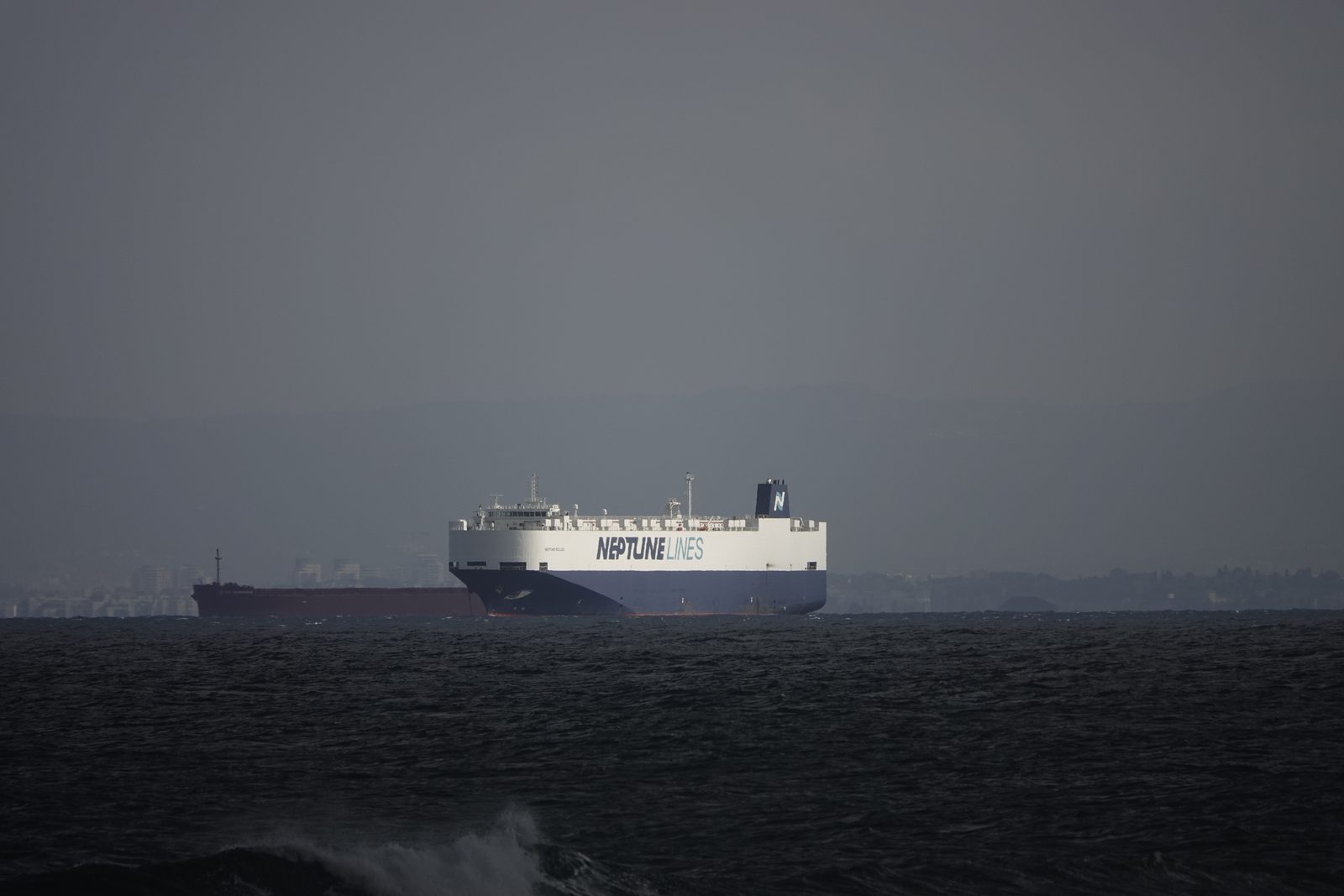
Demurrage, detention and storage are three different charges, and all three start only after the car reaches the destination port and the free days run out. Under the usual FOB and CIF terms they fall on the buyer, so the way to avoid them is to have the clearance agent, the duty money and the paperwork ready before the vessel arrives, and to get the free-time terms in writing from your forwarder beforehand.
👉 Planning a shipment to your port? Ask us on WhatsApp · Shipping cars from China to African ports →
What is the difference between demurrage, detention and storage for imported cars?
Demurrage is the shipping line’s charge when a container stays inside the port or terminal beyond its free days. Detention (also called per diem) is the line’s charge when the container has left the port but the empty box is not returned in time. Port storage is a separate charge made by the port or terminal for the space your cargo occupies, and a shipping line may collect it on the port’s behalf.
DHL’s freight forwarding education pages and FourKites describe the split the same way, and both say the number of free days depends on the line and the location. FourKites gives an example of a shipping company allowing seven demurrage-free days while a port allows only three before storage applies; treat that as an illustration, not a rule. One trap, per DHL: in most South American countries the two words are used the other way round, so a contract should define them.
| Charge | What triggers it | Usually billed by |
|---|---|---|
| Demurrage | Loaded container stays in the port past the free days | Shipping line |
| Detention | Container is outside the port past its free days | Shipping line |
| Storage | Cargo occupies port or terminal space past the free time | Port or terminal, often collected through the line or agent |
Do demurrage and detention apply to cars shipped by RoRo?
Not in the same form. Demurrage and detention are container terms. A car shipped on a roll-on/roll-off vessel has no box, so there is no detention, but the car still sits on the terminal after discharge and the terminal or line can charge for that space once the free time ends. We could not find a published rule for RoRo free time that applies across ports, so ask your forwarder or the destination terminal for it in writing. RoRo vs container shipping explains how the two methods differ before the ship even sails.
Who pays demurrage and storage on a car import?
On FOB and CIF terms the buyer normally pays for discharge-side costs and import clearance, including duties and taxes. Under Incoterms 2020 both terms pass the risk to the buyer once the goods are on board at the port of shipment, and CIF only adds the seller’s freight and minimum insurance to the destination port. Maersk’s Incoterms 2020 table and the ICC-based summaries from Shapiro and others show the same split.
That is the default, not a guarantee. If the contract says nothing about who collects the car and by when, a late-paying buyer leaves the seller holding a car it cannot sell or release. Put the following in the sales contract: who clears the car at the destination, within how many days of arrival the buyer must collect, and who pays if they do not. See LC vs T/T for how payment timing and release of the original bill of lading interact, and CIF Djibouti costs for what a CIF price does and does not cover.
Why do imported cars get stuck at the port?
The usual causes are the same for cars as for other cargo:
- Documents that do not match. Invoice, packing list and bill of lading disagree on VIN, model year or description. The export documents checklist lists what has to line up.
- Customs inspection. The declared car and the physical car differ.
- Buyer not ready. Duty money not raised, no clearing agent appointed, no transport booked.
- Port congestion or weather. The car is discharged but the queue to collect is long.
- Rules that changed in transit. Age limit, steering side or electric vehicle policy at the destination shifted between order and arrival. For the African ports we cover, check the port guide, and for Ethiopia see electric car imports to Ethiopia.
What happens to cars that nobody collects?
Customs in many countries can sell cargo that stays uncleared too long. A recent public example: Sri Lanka Customs announced in late July 2026 that it would auction or tender about 1,025 vehicles left uncleared at Hambantota Port, roughly 625 of them there for more than six months. Reports say the sale proceeds go first to unpaid taxes, then to port and warehouse charges, and only any remainder to the importer. Reports differ on which section of the Customs Ordinance applies (129 in most, 109 in some), so treat the section number as unconfirmed. The port operator disputed some of the figures and the framing, saying the long-stay vehicles belonged to the domestic import sector.
This is one country, reported by the press, and it does not tell you the rule at your port. It does show the order of payment: a car sold at auction rarely returns much to its owner, and never ahead of the taxes and port fees.
How can an importer avoid demurrage and storage charges?
- Get the free days in writing before shipping. Ask for the free time at the destination terminal, when it starts counting, and what is charged after.
- Appoint the clearing agent early. Do it when the car ships, not when the vessel is in sight.
- Have the duty money ready. Arrival day is too late to start raising it.
- Check the paperwork against the car. VIN, year, description and engine type must match across all documents.
- Agree the release of the bill of lading. Settle which payment triggers the originals, and in what order, before loading.
- Check the destination rules again before booking. Age, steering side and EV policy can change.
- Keep written records. Arrival notices, reminders and replies are what settles a dispute later.
- Act early on a stuck car. Talk to the agent, forwarder and buyer before customs sends a notice.
Which guides help before the car ships?
Port charges are easier to control when the earlier steps are settled. Start with how the China car export chain works and how many cars fit in a container if you are weighing boxes against RoRo. The freight forwarder quote breakdown shows which lines of a quote stop at the port of loading and which do not. For market-specific rules see importing to Côte d’Ivoire, Russia and Central Asia, Iran and EVs in Addis Ababa. If you are new to buying from China, the Nansha terminal guide and the Canton Fair buyer’s guide cover where the cars leave from and where to see them.
FAQ
Who charges demurrage, the port or the shipping line?
Demurrage and detention are normally charged by the shipping line. Storage is charged by the port or terminal, though it may be collected through the line or the agent.
Is there demurrage on cars shipped by RoRo?
There is no container, so no detention. The car can still be charged for terminal space after the free time. We found no general published RoRo free-time rule, so confirm it with your forwarder and the terminal.
How many free days do imported cars get?
It varies by line, port and terminal. DHL says it depends largely on the location and the carrier. FourKites gives an example of three days at a port and seven at a shipping line, but treat that as an illustration and get the actual number in writing.
Can the seller sell the car to someone else if the buyer does not collect?
That depends on the sales contract, who holds the bill of lading and the law at the destination. Take advice from your forwarder, destination agent or a lawyer before acting.
Do FOB and CIF buyers pay port charges at the destination?
Normally yes. Discharge-side costs and import clearance are on the buyer under both terms. Put it in the contract so it is not in doubt.
What happens if customs auctions the car?
The Sri Lankan case reported that proceeds go first to taxes, then to port and warehouse charges, and any remainder to the importer. Other countries differ.
Sources: DHL Global Forwarding, “Demurrage, detention and storage charges” (education pages); FourKites, “Demurrage and detention charges: what’s the difference”; Maersk, Incoterms 2020 summary table; Shapiro, Incoterms 2020 summary; Daily FT, “Customs to auction over 1,000 uncleared vehicles at Hambantota Port” (27 July 2026), with Newsfirst and Daily Mirror reports of the same announcement. Checked October 2026. The 1,025 and 625 vehicle figures and the order of payment are from Sri Lankan press reports; the section number is reported inconsistently (129 vs 109) and is not relied on. The three-day port and seven-day line free-time example is from FourKites only; the South American reversal of the terms is from DHL only. No RoRo free-time rule was found in public sources. No charge amounts are quoted because they vary by port and line. Photo: DmitTrix / Wikimedia Commons, CC BY 4.0.